
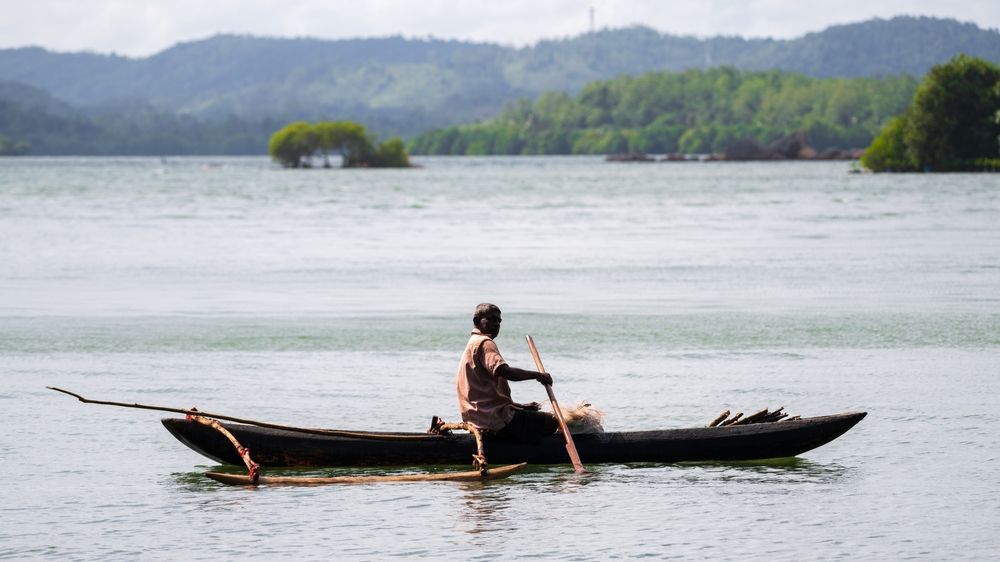
Travellers can explore Koggala Lake by arranging a guided boat journey with a reputable local operator. Most routes last around 90 minutes to three hours and may include mangrove channels, cinnamon-growing islands, birdwatching and a temple or village stop. Conditions, routes and wildlife sightings vary, so life jackets, weather checks and responsible guiding are essential.
What Is Koggala Lake?
Koggala Lake is an inland water system near Sri Lanka’s southern coast, set between villages, wetlands and small islands. Although often described simply as a lagoon or lake safari, it is also a working cultural landscape connected to fishing, spice cultivation, religious life and local transport.
For guests staying at The Fortress Resort & Spa, the lake offers a strong contrast to the open Indian Ocean: quieter water, mangrove margins and an inland rhythm shaped by boats rather than surf.
What Is Cinnamon Island?
“Cinnamon Island” generally refers to one of the inhabited or cultivated islands where visitors can learn how authentic Ceylon cinnamon is grown, peeled and prepared. A demonstration may show how the outer bark is removed before the delicate inner bark is loosened and rolled into quills.
Visitors should remember that these are not theme-park attractions. They may be working homes or cultivation spaces. Choose experiences that compensate hosts fairly and avoid intrusive photography.
How Long Does a Boat Journey Take?
A standard journey commonly takes between 90 minutes and two hours. Longer excursions may add birdwatching, island walks, a temple visit or a meal. Operators advertise different itineraries, so the exact route should be confirmed before departure. Travellers with limited time should prioritise a smaller route with fewer stops rather than rushing through every advertised attraction.
What Wildlife Might You See?
Koggala’s waterways support birdlife associated with wetlands and mangrove environments. Visitors may encounter kingfishers, herons, cormorants, egrets and other species. Monkeys and monitor lizards are also reported on some routes, but sightings vary and should never be promised. Responsible observation means keeping distance, avoiding feeding and asking operators not to chase or crowd wildlife.
When Is the Best Time to Go?
Early morning generally offers softer light and may provide a calmer atmosphere. Late afternoon can be attractive for reflections and changing colour, but weather and daylight should determine the return time.
During August, check the local forecast and confirm that the operator considers conditions suitable. Inland water can appear calm while rain and wind still affect visibility or comfort.
What Should You Bring?
Wear light clothing and shoes that can manage wet surfaces. Bring water, sun protection, insect repellent, a hat and a rain layer. Keep cameras and phones in a dry bag.
A life jacket should be available for every passenger. Families should confirm whether child-sized jackets are provided rather than assuming that adult equipment will be suitable.
Is Koggala Lake Suitable for Families?
Yes, provided the operator supplies suitable safety equipment and the children are comfortable on a small boat. Shorter morning routes may work better for younger travellers. Parents should supervise children continuously near jetties and on board.
Can You Combine the Lake with Other Koggala Experiences?
A lake journey pairs naturally with the Martin Wickramasinghe Folk Museum, which documents rural crafts, fishing, agriculture and traditional technology. The museum complex also includes the writer’s ancestral home and offers useful context for understanding the communities surrounding the lake.
Guests can also return to the resort for a Sri Lankan meal, spa treatment or quiet afternoon by the ocean, making the lake part of a wider exploration rather than a standalone excursion.
How Can The Fortress Assist?
The concierge at The Fortress Resort & Spa can help guests assess available local experiences, transport and weather considerations. Any external excursion should be reconfirmed close to the date because operating conditions and providers may change.
Koggala Lake is most rewarding when it is approached as a lived landscape, not simply a checklist of islands. Travel slowly, ask questions and allow the people who work on the water to explain what the lake means to them.