
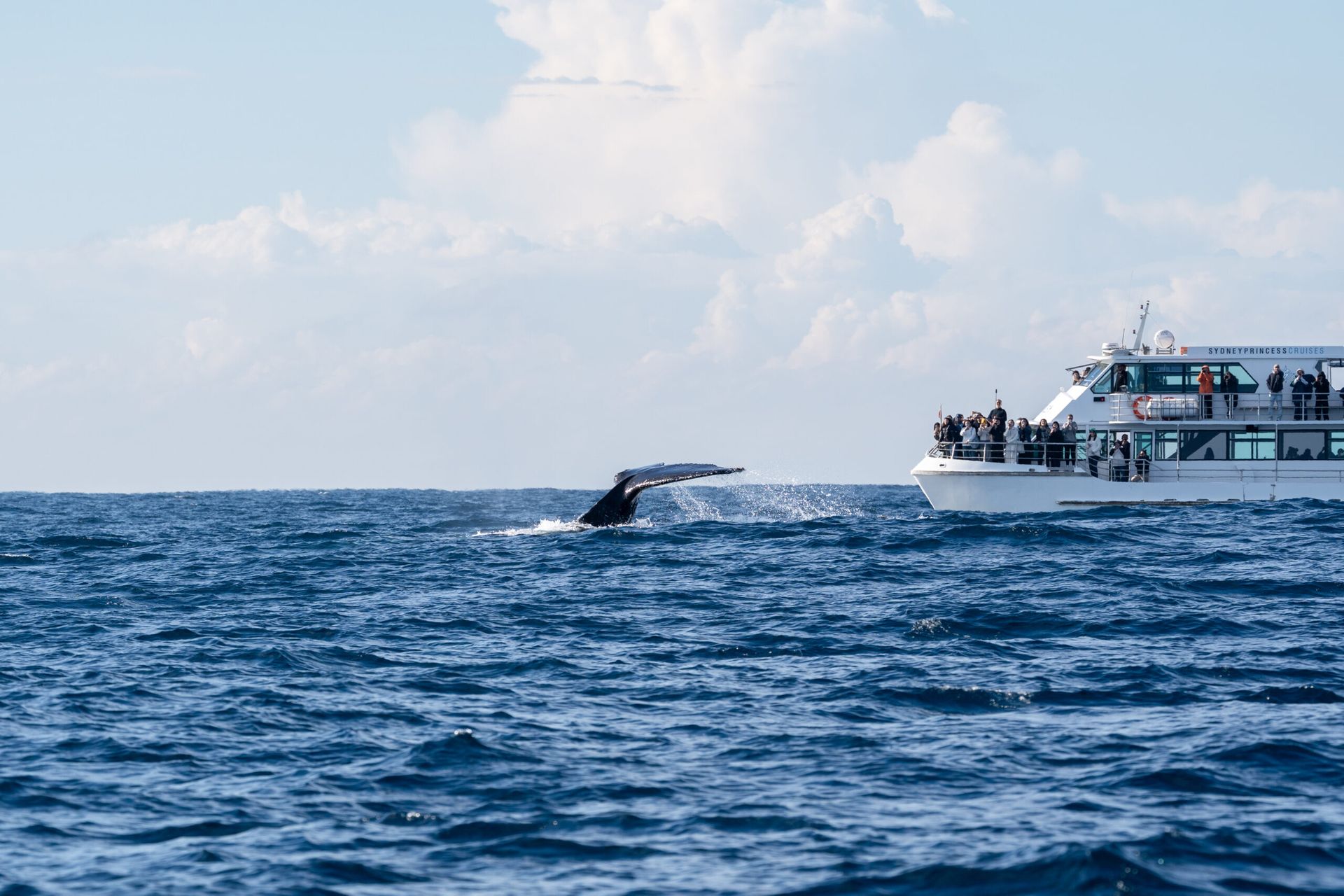
For travellers staying in Galle or Koggala, Mirissa is the principal whale-watching departure point on Sri Lanka’s southern coast. Dondra Point, accessible from Galle, Hikkaduwa and Mirissa, is one of the island’s key whale-watching areas. The recognised south-coast season generally runs from November to April, although sea conditions and wildlife sightings vary from day to day.
Why Is Mirissa Known for Whale Watching?
Mirissa sits on the southern coastline east of Galle and has developed into Sri Lanka’s best-known departure point for whale and dolphin watching. Boats typically leave from Mirissa Fisheries Harbour in the early morning and head into deeper waters south of the island. The waters between Weligama and Mirissa can support species including blue whales, sperm whales and several dolphin species. Blue whales are the principal draw, but wildlife encounters should never be treated as guaranteed.
For guests based in Koggala, Mirissa is roughly 19 km by road and usually around 20 to 40 minutes away depending on traffic and the exact departure point. The Fortress Resort & Spa also offers organised whale-watching experiences with transfers towards Mirissa or Dondra.
When Is Whale-Watching Season near Galle?
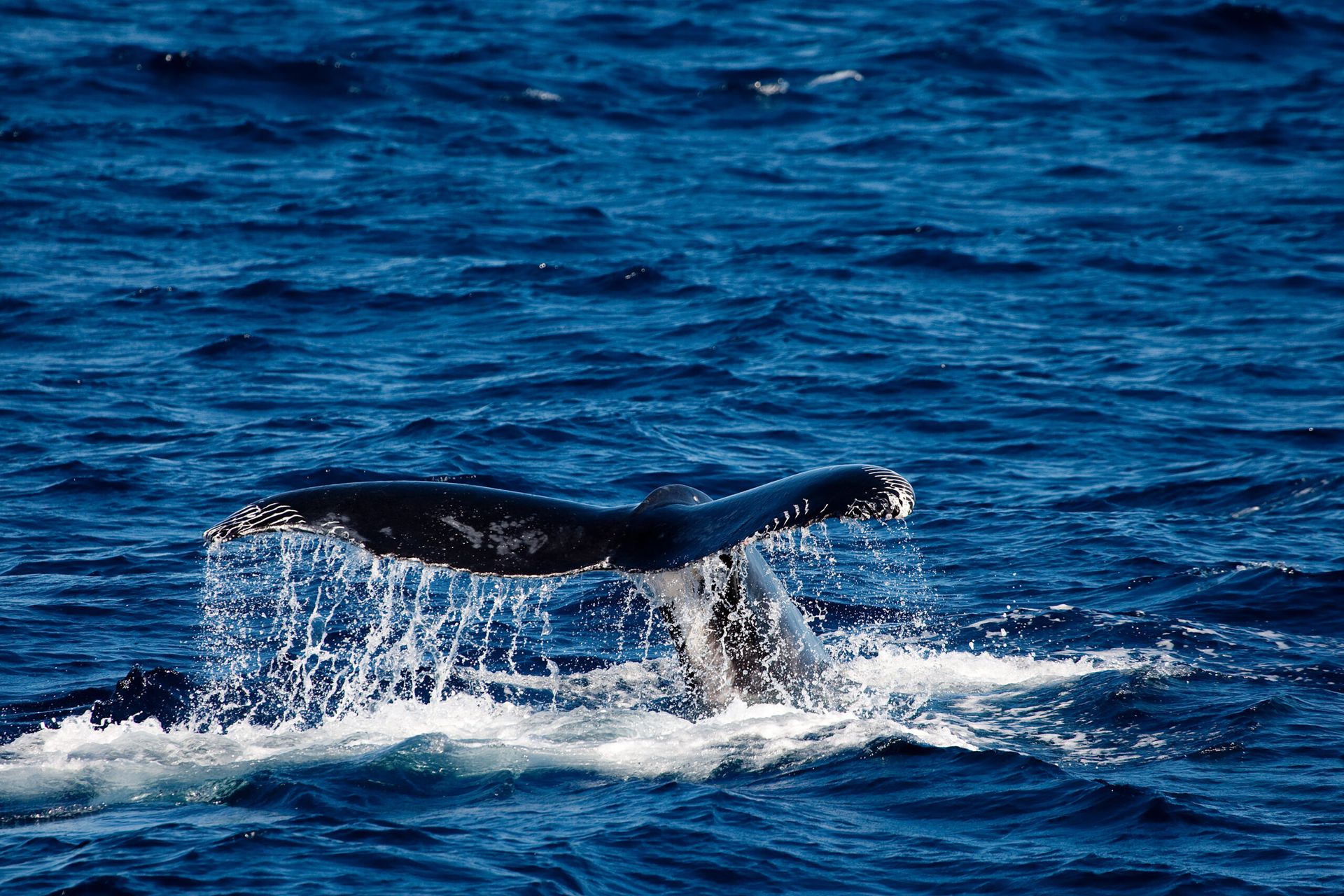
The south-coast whale-watching season generally runs from November to April. This period is the main season for whale and dolphin watching in the south, with excursions usually starting early in the morning and lasting around three to four hours depending on sea conditions. This overlaps with the period when Sri Lanka’s south-western coast tends to experience calmer seas and more settled beach conditions. The north-east monsoon generally leaves the south-west coast sunnier and the sea calmer from roughly November to March. April can still be suitable, but conditions should be checked closer to the day.
What Should Travellers Expect on a Whale-Watching Trip?
Most excursions begin before or shortly after sunrise. Once offshore, the duration depends on weather, sea conditions and where marine mammals are encountered. Travellers should prepare for several hours on open water. A hat, sun protection, water and motion-sickness medication, if normally needed, can make the journey more comfortable.
Responsible wildlife viewing also matters. Sri Lanka has dedicated Sea Mammals Observation Regulations intended to protect marine mammals and regulate vessels used for viewing them. Sri Lanka Tourism Development Authority guidelines discourage swimming with, touching or disturbing whales and dolphins.
How Can You Choose a Responsible Whale-Watching Operator?
Look for an operator that prioritises safety, licensed operation and appropriate distance from wildlife rather than aggressively pursuing sightings. A responsible trip should treat a sighting as an encounter with wild animals, not as a performance on demand.
Can Families Go Whale Watching near Galle?
Yes, but suitability depends on the child, the sea state and the duration of the trip. Early departures, heat and several hours on a moving boat can be tiring for younger travellers. Families should ask the operator about life jackets, shade, toilets, vessel size and expected sea conditions before booking. If conditions are rough, postponing the excursion is often the better choice.
Why Stay in Koggala for Whale Watching?
Koggala works well for travellers who want whale watching without basing the entire stay in Mirissa. The Fortress Resort & Spa is located directly on Koggala Beach, with Mirissa to the east and Galle Fort to the west, making it possible to combine marine wildlife, heritage and beach time within one South Coast itinerary. The resort currently offers a seasonal whale-watching experience with transfers, while quieter days can be spent by the pool, at Senses Spa or exploring Koggala Lake and Galle.